
Why Strength Training Is the Most Underrated Tool in Weight Loss
For years, strength training has been treated as optional in weight loss — something you do after you’ve lost the weight, or something that’s only relevant if you want to “bulk up”.
That idea has held a lot of people back.
In reality, strength training is one of the most powerful tools you can use during fat loss — not just for how your body looks, but for how it functions, ages, and adapts over time.
If your goal is sustainable fat loss , not just a temporary drop on the scale, strength training deserves a central role.
Weight Loss Isn’t Just About Losing Weight
One of the biggest misconceptions in fat loss is assuming that all weight loss is good weight loss.
When calories are reduced without resistance training:
Fat is lost
Muscle is often lost too
That muscle loss matters.
Muscle supports your posture, balance, joint health, confidence, and daily energy. Losing it can make your body feel weaker, softer, and more fragile, even if the scale is going down.
Strength training changes that equation. It tells your body:
“This tissue is important. Keep it.”
That signal is crucial during fat loss.
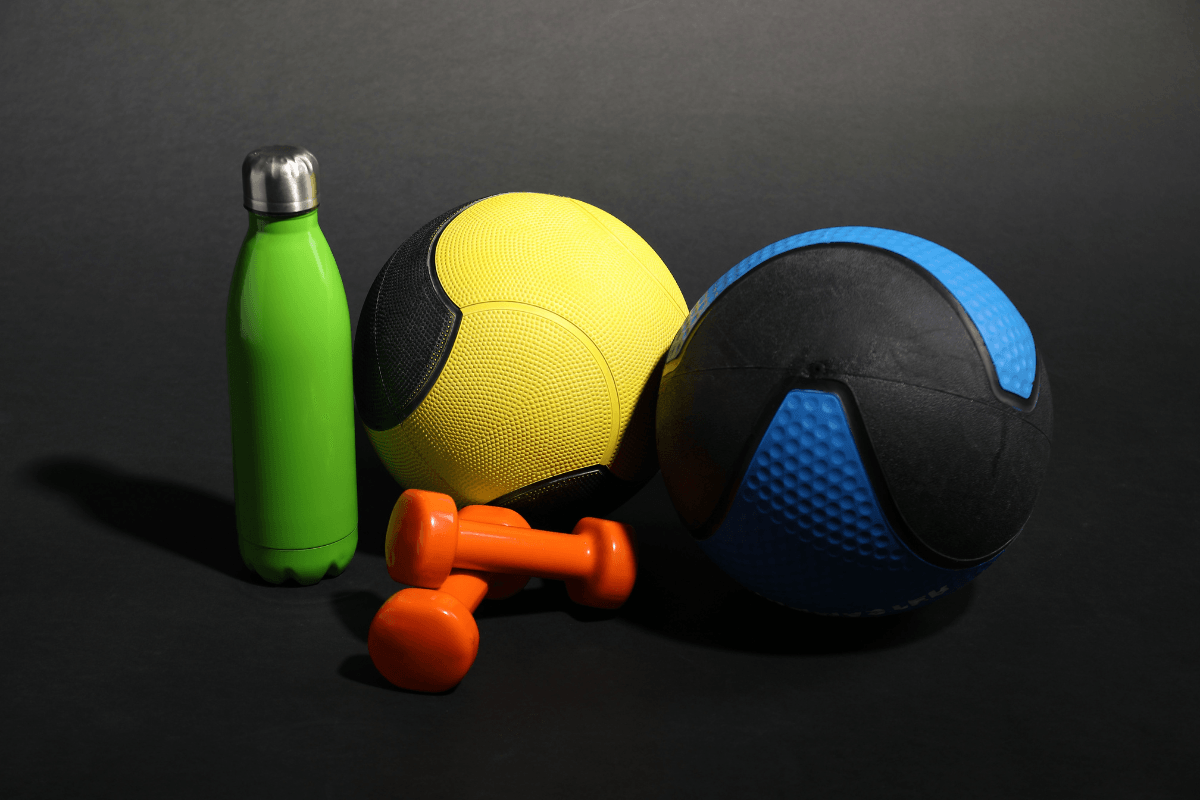
Basic tools, big benefits: strength training made approachable.
Strength Training Improves Body Shape - Not Just the Scale
Many people give up on strength training because they don’t see immediate scale changes. But fat loss and body transformation don’t always show up as numbers.
Strength training allows you to:
Lose fat while maintaining or improving muscle tone
Create firmness and shape rather than just “shrinking”
Improve how clothes fit before the scale moves
Muscle is also denser which means its visibly much smaller at the same weight as fat.
This is why someone can look leaner, stronger, and more defined at the same body weight. The change is modest as muscle is about 20% smaller than fat per kilogram but can be become noticeable at around a 5kg body composition change. Think of it like this.. Most people would drop 1-2 clothes sizes with a 5kg body composition change and remain at the same weight.
It also explains why focusing only on the scale often leads to frustration. It doesn’t reflect body composition changes.
Strength Training Builds Confidence and Capability
Beyond aesthetics, strength training changes how you feel in your body.
Over time, people notice:
Everyday tasks feel easier
Posture improves
Movement feels more stable and controlled
Confidence increases - not just in the gym, but in daily life
That confidence matters. It reinforces consistency and makes healthy habits feel purposeful rather than punishing.
You’re not just “burning calories” - you’re building a body that feels capable.
Bone Health, Ageing, and Long-Term Resilience
Strength training plays a vital role in long-term health, especially as we age.
Resistance-based exercise:
Improves bone density
Reduces risk of osteoporosis
Supports joint health and connective tissue
Helps preserve muscle mass that naturally declines with age
This isn’t about lifting heavy weights or extreme training. Even moderate resistance sends a powerful signal that keeps your body strong and resilient over time.
Fat loss achieved with strength training supports longevity, fat loss without it often doesn’t.
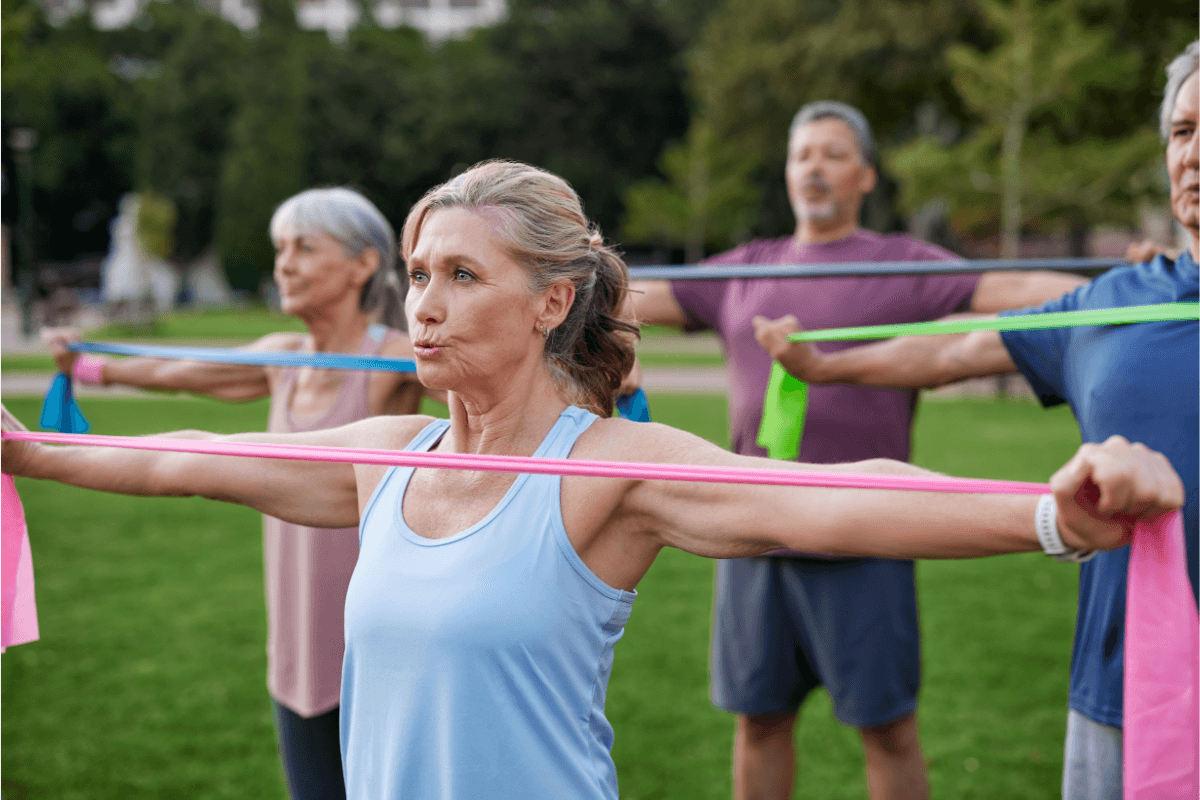
Strength training plays a vital role in long-term health, especially as we age.
Why Strength Training Helps Fat Loss Feel Easier
Strength training doesn’t just change your body, it changes the process of fat loss.
People who include it often experience:
Better appetite regulation
Improved energy levels
Less reliance on extreme calorie restriction
More tolerance for plateaus without panic
This is because strength training supports structure and routine and reinforces progress beyond the scale.
It turns fat loss from a short-term push into a sustainable system.
You Don’t Need to Train Like an Athlete
One of the biggest barriers to strength training is the belief that it has to be intense, time-consuming, or technical.
It doesn’t.
Effective strength training can look like:
2–3 sessions per week
Basic movement patterns (squats, hinges, pushes, pulls)
Gradual progression over time
Consistency over perfection
What matters isn’t how hard it looks, it’s how repeatable it is.
The Bigger Picture
Strength training is underrated because it doesn’t promise quick wins.
Instead, it offers:
Better body composition
Improved confidence
Stronger bones and joints
Greater long-term fat loss success
It’s not flashy. It’s effective.
If fat loss is your goal, strength training isn’t optional — it’s foundational.
Key Takeaway
Strength training doesn’t just help you lose weight.
It helps you keep results, protect your body, and feel stronger as you move forward.
Fat loss becomes more stable when your body has something solid to hold onto.
And that’s exactly what strength training provides.
🦉 The OWL Way Forward
If this topic is something you’re struggling with right now:
Focus on building strength gradually
Prioritise form and consistency over intensity
See training as support, not punishment
Then:
Try out my book, Expert Weight Loss, for the day to practical plans for nutrition, lifestyle help and exercise plans.
Written by:
Lee Bruce - Certified Weight Loss Specialist & Founder of Weight Loss Owl
FOLLOW:








Copyright © All rights reserved. weightlossowl.com