Emotional Eating: The Trigger → Emotion → Behaviour → Reward Loop
If you’ve ever eaten when you weren’t physically hungry, late at night, after a stressful day, or out of pure boredom... you’re not alone.
Emotional eating isn’t about lack of discipline.
It’s a learned behavioural loop and once you understand it, you can change it without guilt or extremes.
What Emotional Eating Really Is
Emotional eating happens when food is used to regulate emotions rather than fuel the body.
Common triggers include:
Stress
Fatigue
Loneliness
Boredom
Overwhelm
Food works because it temporarily soothes the nervous system, but the relief doesn’t last, so the cycle repeats.

Even a 10 minute walk outdoors is great for an emotional reset.
The Emotional Eating Loop Explained
Nearly all emotional eating follows this pattern:
1. Trigger
A situation or feeling:
A stressful email
Feeling drained at the end of the day
Sitting down to relax
2. Emotion
The internal response:
Anxiety
Irritation
Low mood
Mental fatigue
3. Behaviour
The action taken:
Snacking
Grazing
Ordering comfort food
Eating past fullness
4. Reward
The short-term payoff:
Distraction
Comfort
Relief
Dopamine release
Your brain remembers this relief and stores it as a solution for next time.
Why Willpower Doesn’t Break the Loop
Trying to “just stop” emotional eating usually backfires.
Why?
Because your brain is seeking relief, not calories.
Removing the behaviour without replacing the reward leaves a gap and the loop snaps back stronger.
How to Interrupt the Loop (Without Restriction)
Step 1: Spot the Trigger
Awareness weakens automatic behaviour.
Pause and ask:
“What happened just before I wanted to eat?”
Step 2: Name the Emotion
Label it clearly:
“I’m stressed”
“I’m bored”
“I’m exhausted”
Naming emotions reduces their intensity.
Step 3: Swap the Behaviour (Not the Reward)
Keep the reward, change the response.
Examples:
Stress → 10-minute walk
Boredom → shower or stretch
Overwhelm → deep breathing or journaling
The goal is relief.. not perfection.
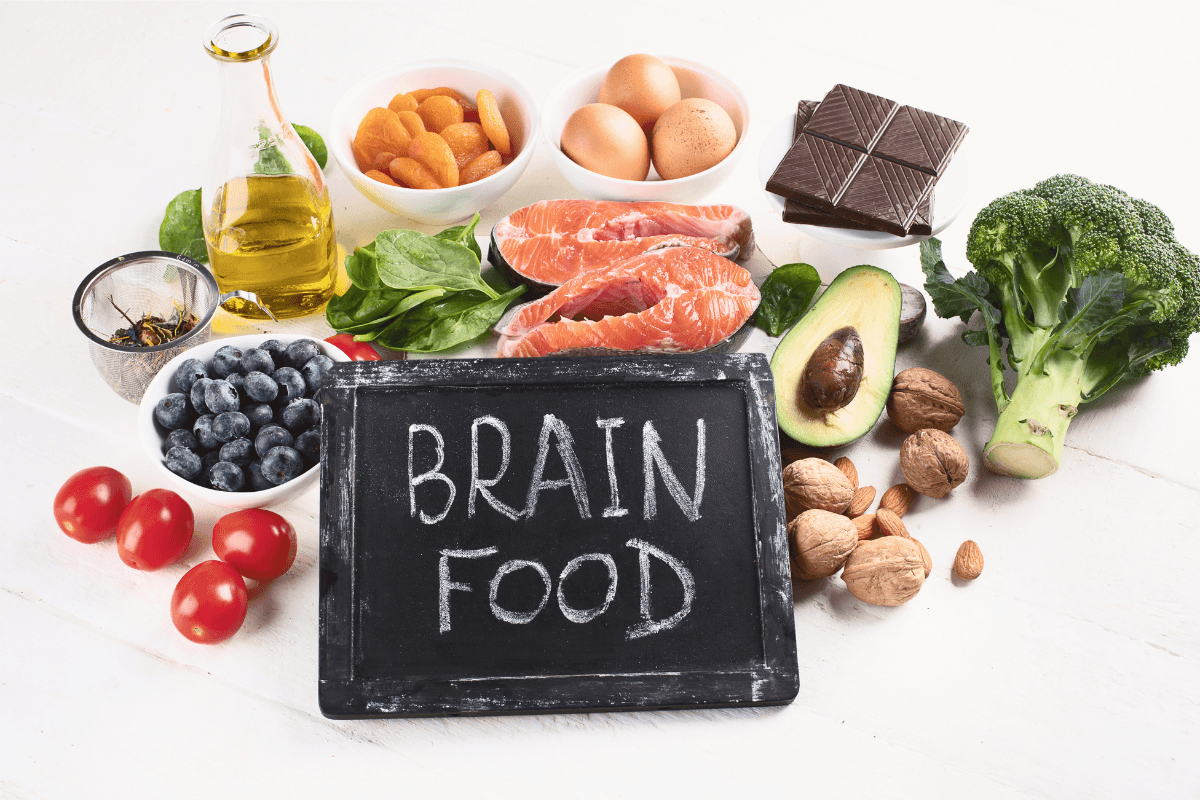
Choose foods that are good for your mind.
Why Self-Compassion Matters More Than Control
Guilt strengthens emotional eating.
Calm curiosity weakens it.
When slips happen:
Don’t punish
Don’t restrict harder
Don’t label yourself as “failing”
Instead, ask:
“What was I really needing in that moment?”
The Bottom Line
Emotional eating isn’t a personal flaw.
It’s a learned response — and learned responses can be changed.
By understanding the trigger → emotion → behaviour → reward loop, you give yourself power, not pressure.
Progress comes from awareness, not punishment.
🦉 The OWL Way Forward
If this topic is something you’re struggling with right now:
Focus on noticing triggers before changing behaviour
Pause, don’t punish, when emotions drive eating
Practice awareness before restriction
Then:
For practical steps and plans - including food structure, movement targets, and emotional eating tools - this is exactly what the OWL Method in my book is made for.
Written by:
Lee Bruce - Certified Weight Loss Specialist & Founder of Weight Loss Owl
FOLLOW:








Copyright © All rights reserved. weightlossowl.com