The Fat Loss Plate: Eat Well Without Tracking Calories
For many people, fat loss doesn’t fall apart because they don’t know what foods are “good” or “bad”.
It falls apart because eating well feels like constant mental effort.
What should I eat?
How much is too much?
Did I ruin today already?
For a lot of people, portion size feels like the main problem, either eating too much, or constantly worrying they are.
The Fat Loss Plate exists to solve that problem - not by adding rules, but by simplifying how meals are built, so portions largely take care of themselves.
Why calorie counting often stops working long term
Calorie tracking can be useful in the short term.
It teaches awareness and highlights where excess energy can creep in.
But over time, many people run into the same issues:
Meals become about numbers rather than nourishment
Eating out or socially feels stressful
Small tracking “slips” turn into full abandonment
Mental fatigue replaces confidence
When portion size becomes something you have to constantly monitor, eating turns into a maths problem.
Fat loss doesn’t require perfect precision forever.
It requires reasonable portions, repeated consistently.
The Fat Loss Plate shifts the focus from measuring portions to structuring meals.
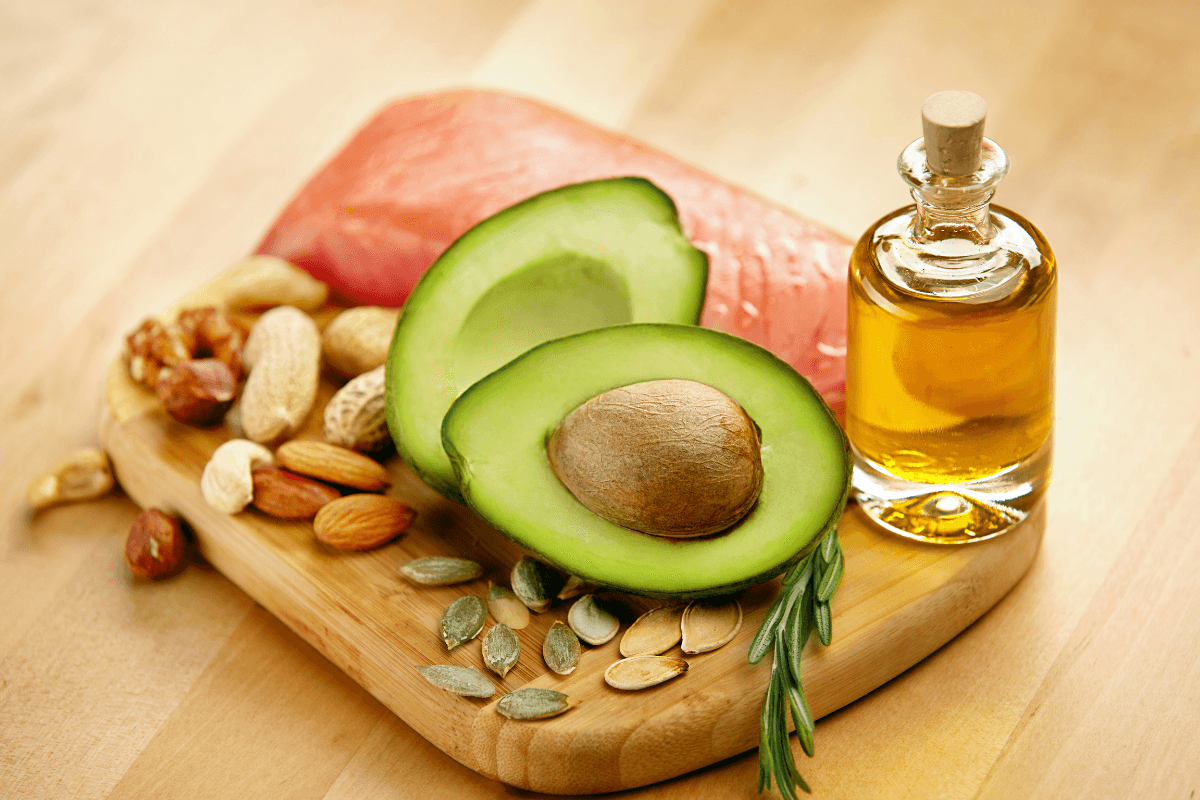
Don't remove fats - use them wisely.
The principle behind the Fat Loss Plate
Your body regulates appetite based on signals - not calorie apps.
Those signals come primarily from:
Protein intake
Fibre and food volume
Blood sugar stability
Meal satisfaction
When these are in place, portion sizes naturally settle at a level your body can regulate.
Instead of asking:
“Is this portion too big?”
You start asking:
“Is this plate built in a way that supports fat loss?”
When the structure is right, portion control becomes a side effect and not a battle.
How to build a Fat Loss Plate (practically)
Protein is the foundation of the plate.
It:
Helps preserve muscle during fat loss
Increases fullness after meals
Reduces snacking later in the day
From a portion perspective, protein works best when it’s clearly visible and central, not a small add-on.
Examples:
Chicken, turkey, lean beef
Fish or seafood
Eggs
Greek yoghurt, cottage cheese
Tofu, tempeh, lentils (for plant-based meals)
You don’t need to weigh it.
A simple rule: if protein looks like the smallest item on your plate, it’s probably too little.
2. Add high-volume, fibre-rich foods
This is where portion control becomes easier.
These foods:
Take up space on the plate
Add bulk without excessive calories
Allow you to eat a larger-looking meal
Examples:
Leafy greens, broccoli, peppers, courgettes
Carrots, tomatoes, mushrooms
Beans, chickpeas, lentils
Fruit alongside meals rather than just alone
A generous portion here helps reduce the urge to over-serve higher-calorie foods later.
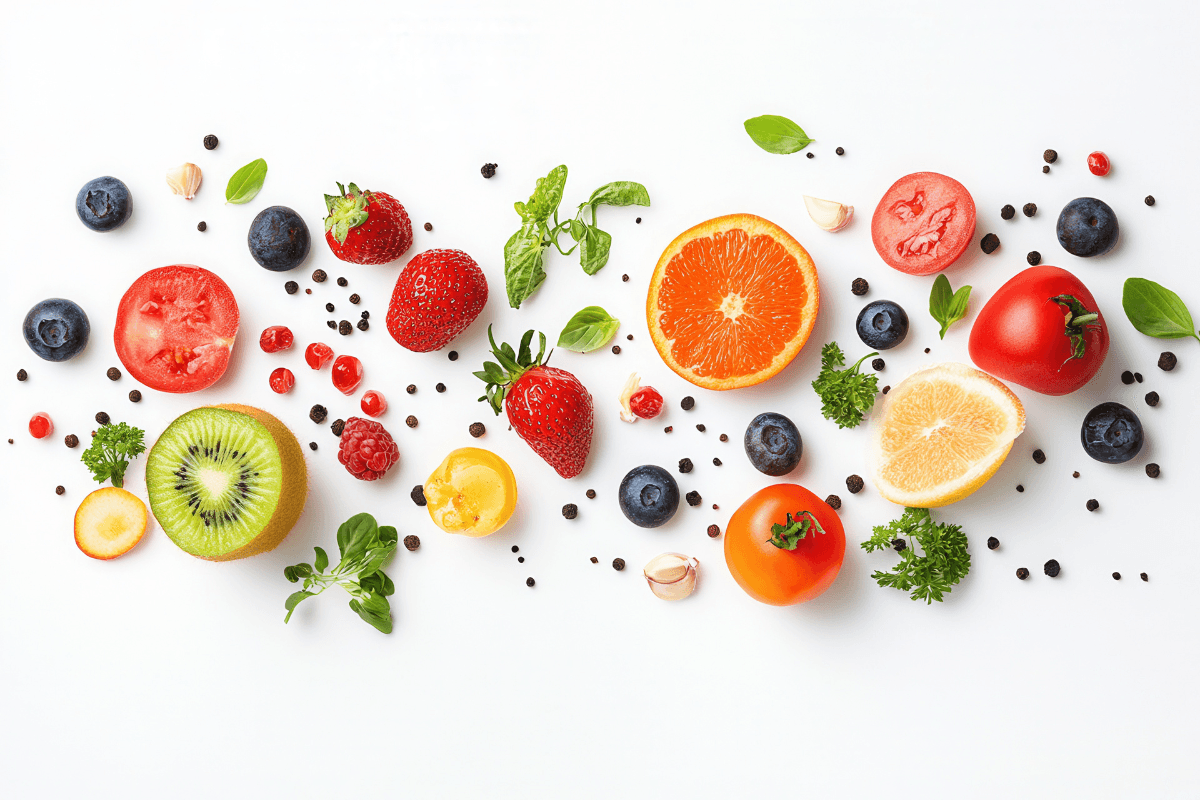
Have fruit alongside meals rather than just alone.
3. Include carbohydrates with intention (not fear)
Carbohydrates are often where portion anxiety shows up most.
Carbs support:
Daily energy
Training performance
Recovery
Hormonal health
Examples:
Potatoes
Rice
Pasta
Oats
Bread
Fruit
Rather than cutting them out or guessing amounts, the plate gives context:
carbs fit around protein and plants — not instead of them.
When protein and fibre are in place, carb portions naturally become more appropriate.
4. Don’t remove fats - use them wisely
Fat adds satisfaction and makes meals feel complete.
From a portion point of view, fats are best used as flavour enhancers, not the main volume of the meal.
Examples:
Olive oil
Butter
Nuts and seeds
Avocado
Cheese
You don’t need large amounts, just enough to make meals enjoyable and prevent the feeling that something is missing.
What this looks like in real meals
Here are a few simple examples:
Lunch: Grilled chicken, roasted vegetables, potatoes, olive oil drizzle
Dinner: Salmon, mixed salad, rice, dressing
Breakfast: Greek yoghurt, berries, seeds, oats
Plant-based: Lentil curry, vegetables, rice, yoghurt or oil-based sauce
Different foods - same structure.
When the structure stays consistent, portion sizes stop feeling random.
Why this approach reduces overeating
When meals are poorly structured, people rely on willpower to stop eating.
When meals are well structured:
Hunger settles
Portions feel more “natural”
Decision fatigue drops
Confidence increases
You’re no longer trying to guess the “right amount”, you’re building meals that regulate appetite for you.
What the Fat Loss Plate is not
It’s not a diet.
It’s not strict portion control.
It’s not about eating perfectly.
It’s a framework you can return to, especially when portions feel confusing or inconsistent.
The bigger picture
The real goal of fat loss isn’t control.
It’s confidence.
Confidence that your portions don’t need constant monitoring.
Confidence that one meal won’t derail progress.
Confidence that eating well doesn’t require scales or apps.
The Fat Loss Plate is one of the simplest ways to build that confidence... and keep it.
🦉 The OWL Way Forward
If this topic is something you’re struggling with right now:
Focus on building balanced meals most of the time
Use simple visual structure instead of counting
Aim for meals you can repeat easily
Then:
For practical tips - including food structure, movement targets, and emotional eating tools - this is exactly what the OWL Method in my book is designed for.
Written by:
Lee Bruce - Certified Weight Loss Specialist & Founder of Weight Loss Owl
FOLLOW:








Copyright © All rights reserved. weightlossowl.com