How to Keep Your Metabolism Active
If you’ve ever felt like your metabolism has “slowed down” with age, stress or repeated dieting… you’re not imagining it. But the good news? Your metabolism isn’t fixed. You can absolutely keep it active — and even improve it — with the right daily habits.
Below, I’ll break down what actually affects your metabolism, the common myths (no, eating every 2–3 hours doesn’t magically speed it up), and the practical steps that make a real difference.
What Your Metabolism Actually Is
Your metabolism is the process your body uses to convert food into energy. It’s influenced by:
Lean muscle mass
Age
Hormones
Sleep quality
Movement levels
Food choices
Think of it less as a “fast or slow” engine, and more like a thermostat that adapts to your behaviour.
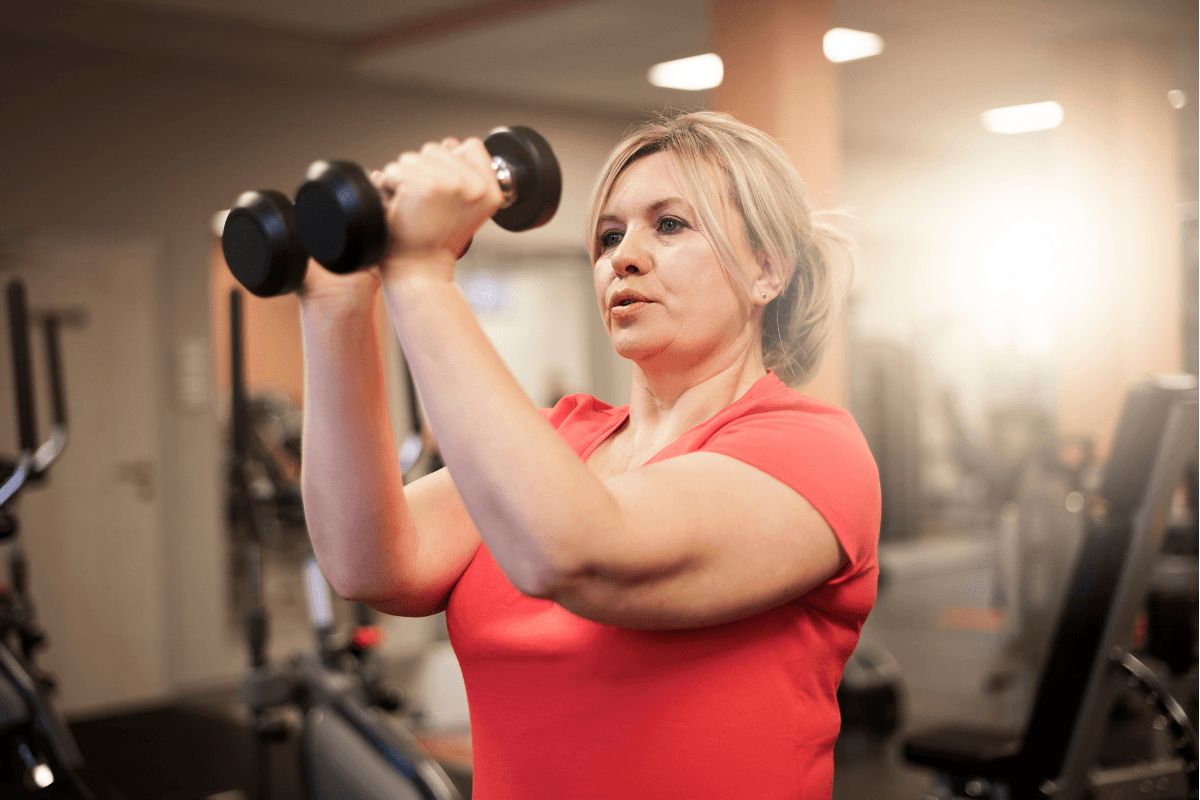
Preventing natural muscle loss is a powerful way to support your metabolism.
The Biggest Reason Metabolisms Slow Down
The number one contributor to a declining metabolism is loss of lean muscle mass.
After age 30, adults can lose 3–8% of muscle per decade — and even more if they’re dieting without strength training. Less muscle = fewer calories burned at rest.
But this also means you can reverse it.
Habit #1: Lift Weights (Even Light Weights Count!)
Strength training is the most powerful way to keep your metabolism active.
Why it works:
Muscle tissue burns 3–5x more calories than fat tissue
Your metabolism stays elevated for hours after training
It keeps bones strong and supports healthy ageing
Aim for:
2–3 sessions per week
Exercises like squats, lunges, push-ups, rows and deadlifts
Progressively increasing weights or reps over time
You don’t need to spend hours in the gym — 20–30 minutes can transform your metabolism over weeks and months.
Habit #2: Stay Protein-Focused
Protein is the most “thermogenic” macronutrient — meaning it burns more calories during digestion than carbs or fats.
It also helps:
Maintain and build muscle
Reduce cravings
Keep you feeling satisfied longer
Aim to include protein at every meal: chicken, eggs, Greek yogurt, tofu, cottage cheese, beans, fish, etc.
A helpful guideline:
1.2–1.6g of protein per kg of bodyweight for active adults trying to lose fat while preserving muscle.
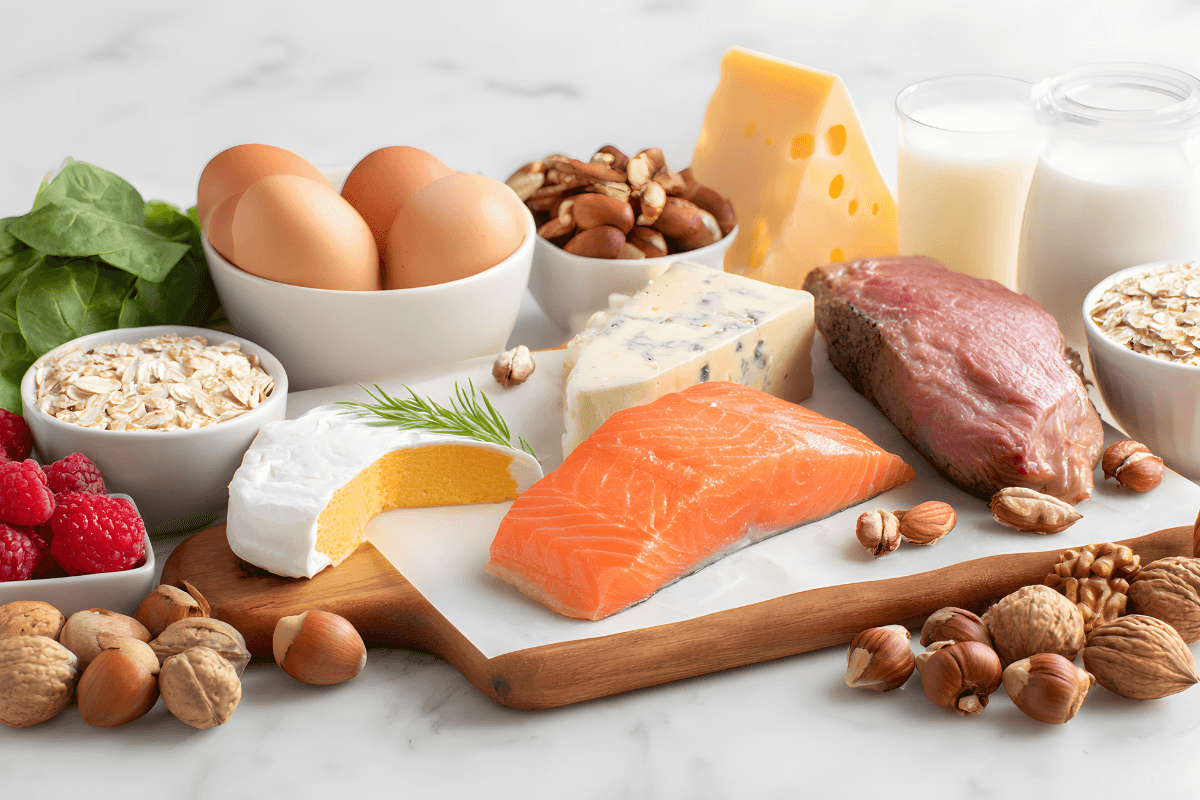
Protein supports muscle. Muscle supports metabolism.
Habit #3: Move More Throughout the Day — Not Just at the Gym
Your metabolism is far more influenced by daily movement than by structured exercise.
This includes:
Steps
Household chores
Walking meetings
Light stretching
Standing breaks
This type of movement (called NEAT) can increase calorie burn by 100–600 calories per day.
Try:
A 5–10 minute walk after meals
Parking further away
Breaking up long periods of sitting
Aiming for any step goal that’s above what you do now (not necessarily 10k steps)
Habit #4: Don’t Under-Eat for Too Long
Severely restricting calories can cause your metabolism to adapt downward. Your body becomes more efficient, burning fewer calories because it thinks energy is scarce.
This is why:
Diets can feel harder over time
Plateaus happen
You can regain weight quickly after stopping
Instead, focus on:
A moderate calorie deficit
Regular meals
Enough protein
Enough sleep
Occasional maintenance-calorie weeks if you’re dieting long-term
Habit #5: Prioritise Great Sleep
Poor sleep affects hunger hormones, stress levels and metabolic rate.
Sleep deprivation can:
Increase cravings
Reduce the calories you burn
Make workouts feel harder
Cause your body to preserve fat
Aim for:
7–9 hours when possible
A darker, cooler room
Reducing phone use before bed
Improving sleep is one of the quickest ways to boost energy and metabolism.
Habit #6: Hydrate (Your Body Burns Fewer Calories When Dehydrated)
Even mild dehydration slows metabolic processes.
Water helps:
Digest food more efficiently
Support calorie burn
Reduce fatigue
Improve exercise performance
A simple rule:
Drink 1.5 litres per day minimum, plus more if you’re active.
Habit #7: Manage Stress (It’s More Important Than People Think)
Chronic stress elevates cortisol, which pushes the body toward storing fat and reducing metabolic output.
Helpful practices:
Slow walks
Deep breathing
Meditation apps
Strength training
Setting healthy boundaries
You don’t need to eliminate stress.. just interrupt it.
🦉 The OWL Way Forward
If this topic is something you’re struggling with right now:
Focus on supporting muscle, movement, sleep, and recovery
Avoid chasing quick “boosts” or extremes
Build habits that keep your body working efficiently over time
Then:
For a clear day-to-day plan - including food structure, movement targets, and emotional eating tools - this is exactly what the OWL Method in my book is designed for.
Written by:
Lee Bruce - Certified Weight Loss Specialist & Founder of Weight Loss Owl
FOLLOW:








Copyright © All rights reserved. weightlossowl.com