Stress, Cortisol & Weight Gain: What’s Actually Going On
Stress is often blamed for weight gain but rarely explained properly.
You’ll hear phrases like “stress causes belly fat” or “cortisol stores fat”, which sounds alarming but doesn’t tell the full story.
The truth is more nuanced and far more empowering.
Stress doesn’t magically stop fat loss.
But it changes the environment your body is trying to operate in.
Understanding that difference makes all the difference.
What Cortisol Actually Does
Cortisol is often labelled a “bad” hormone, but it’s essential for survival.
It helps regulate:
Blood sugar
Energy availability
Alertness and focus
Inflammation control
Cortisol rises naturally in the morning, during exercise, and in response to challenges. That’s normal.
Problems don’t come from cortisol itself, they come from chronic stress without recovery.

Prioritise sleep when going through stressful times.
How Ongoing Stress Can Affect Fat Loss
When stress is persistent, several subtle but important shifts occur.
Appetite regulation becomes less predictable. Some people feel hungrier, others lose hunger cues entirely, then overeat later.
Sleep quality often declines, which affects hunger hormones and recovery. Poor sleep alone can increase cravings and reduce dietary restraint the next day.
Energy levels drop. Not dramatically, just enough to reduce daily movement, patience, and motivation.
Decision-making becomes harder. When mental load is high, the brain defaults to convenience and comfort, not long-term goals.
None of this means fat loss is impossible.
It means the system is under strain.
Why Stress Often Shows Up as “Stubborn” Weight
Stress doesn’t always cause fat gain but it can make progress harder to see.
Elevated cortisol can increase water retention, making the scale appear stuck even when fat loss is occurring.
Stress can also push the body into a more conservative mode, where it resists aggressive changes and prefers stability.
This is why periods of high stress often feel like plateaus, even when habits haven’t changed.
The Mistake Most People Make
When progress slows under stress, the instinct is usually to add pressure.
Cut more calories.
Train harder.
Be stricter.
But piling stress on top of stress rarely helps.
Fat loss responds better to supportive strategies during these phases, not extremes.
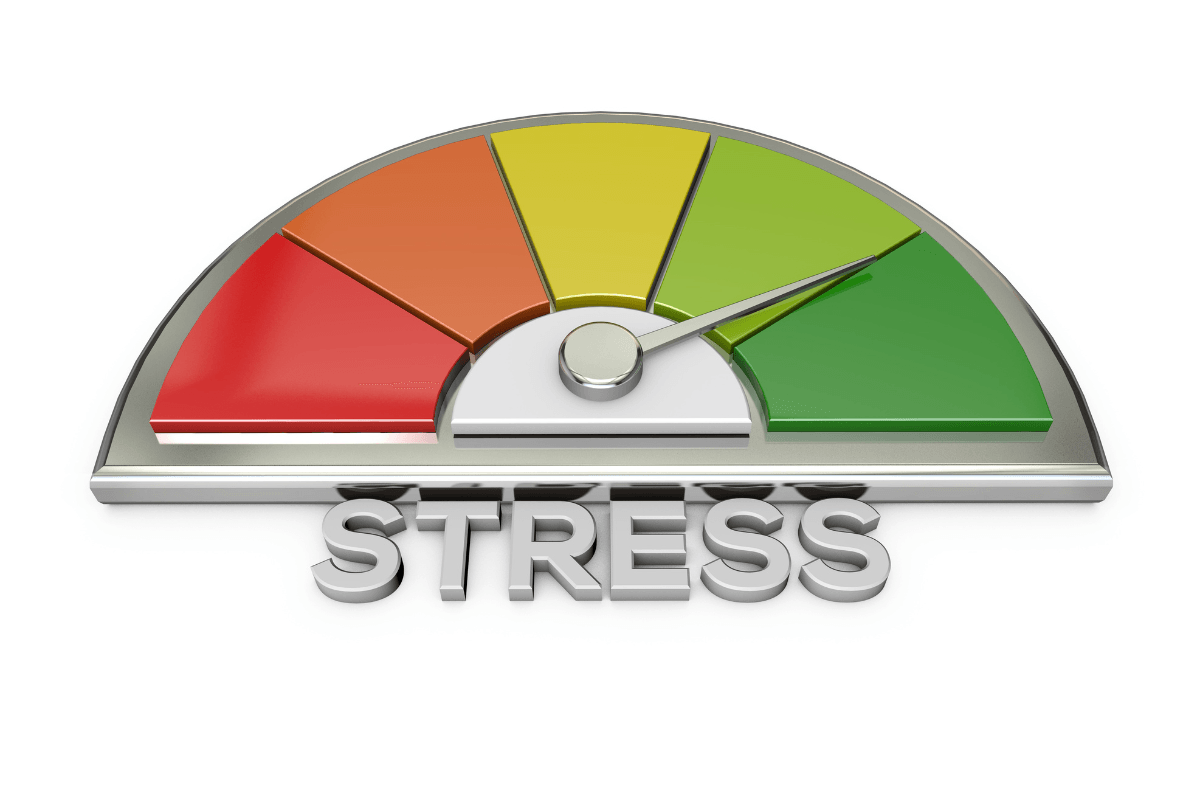
When stress is handled with awareness rather than frustration, progress becomes more stable and predictable over time.
What Actually Helps During Stressful Periods
You don’t need to eliminate stress to make progress. You need to manage its impact.
That often looks like:
Protecting sleep as a non-negotiable
Keeping food simple and regular rather than restrictive
Maintaining movement without forcing intensity
Allowing flexibility instead of demanding perfection
These choices reduce physiological strain, which often allows fat loss to resume naturally.
Stress and Long-Term Success
One of the biggest predictors of sustainable fat loss isn’t discipline, it’s adaptability.
Life will always include busy periods, emotional stress, and disruption.
The goal isn’t to diet despite them, it’s to build habits that survive them.
When stress is handled with awareness rather than frustration, progress becomes more stable and predictable over time.
Key Takeaway
Stress doesn’t ruin fat loss.
But unmanaged stress makes it harder than it needs to be.
When you support recovery, simplify habits, and remove unnecessary pressure, your body becomes far more cooperative.
Fat loss isn’t about fighting your system.
It’s about creating the conditions where it can work.
🦉 The OWL Way Forward
If this topic is something you’re struggling with right now:
Focus on sleep and recovery as part of fat loss
Reduce stress where possible before restricting more
Support your nervous system, not just calories
Then:
For a clear day-to-day plan - including food structure, movement targets, and emotional eating tools - this is hoe The OWL Method in my book is designed.
Written by:
Lee Bruce - Certified Weight Loss Specialist & Founder of Weight Loss Owl
FOLLOW:








Copyright © All rights reserved. weightlossowl.com