
The Truth About Cravings (And How to Control Them Without Willpower)
Cravings aren’t a failure of discipline. They’re signals from your body, influenced by hormones, habits, environment, and emotions. Understanding them turns what feels like an obstacle into a tool for smarter, long-term progress.
When you learn to respond rather than resist, cravings can become manageable — and even predictable.
1. Hormones set the stage
Two key hormones influence cravings:
Ghrelin — the “hunger hormone” that rises when your stomach is empty
Leptin — the satiety hormone that signals fullness
When these signals are out of balance, you feel cravings for energy-dense foods. This is normal and temporary imbalances can be mitigated by:
Prioritising protein at each meal
Eating fiber-rich vegetables to extend fullness
Keeping meals balanced with healthy fats and carbs
Understanding your body’s signals shifts the focus from “resisting” to responding intelligently.
Structured snack times with healthier options help control cravings.
2. Timing and blood sugar matter
Cravings often hit at predictable times: mid-morning, late afternoon, or after dinner. These are frequently tied to blood sugar dips.
Strategies to smooth out the peaks and troughs:
Start meals with protein or fiber
Include low-GI carbs that release energy slowly
Space meals consistently to avoid sudden hunger spikes
With simple adjustments, you can reduce the intensity of cravings, without depriving yourself.
3. Emotional triggers amplify cravings
Stress, boredom, fatigue, and even happiness can trigger cravings. These emotional cues don’t indicate weakness; they reflect learned associations between feelings and food.
Instead of fighting these urges:
Pause and check in: “Am I physically hungry, or is this emotional?”
Substitute a short activity: a 5-minute walk, water, or journaling
Build alternative “comfort habits” that don’t derail progress
When you respond with awareness rather than autopilot, cravings lose power over time.
4. Environment shapes behaviour
Your surroundings have a huge influence on cravings. Studies show that availability and visibility of food drive nearly half of our eating decisions.
Practical steps:
Store tempting foods out of sight or off counters
Pre-portion treats so you enjoy them mindfully
Keep healthy snacks at eye level and easy reach
These subtle adjustments make healthy choices easier without relying on willpower.
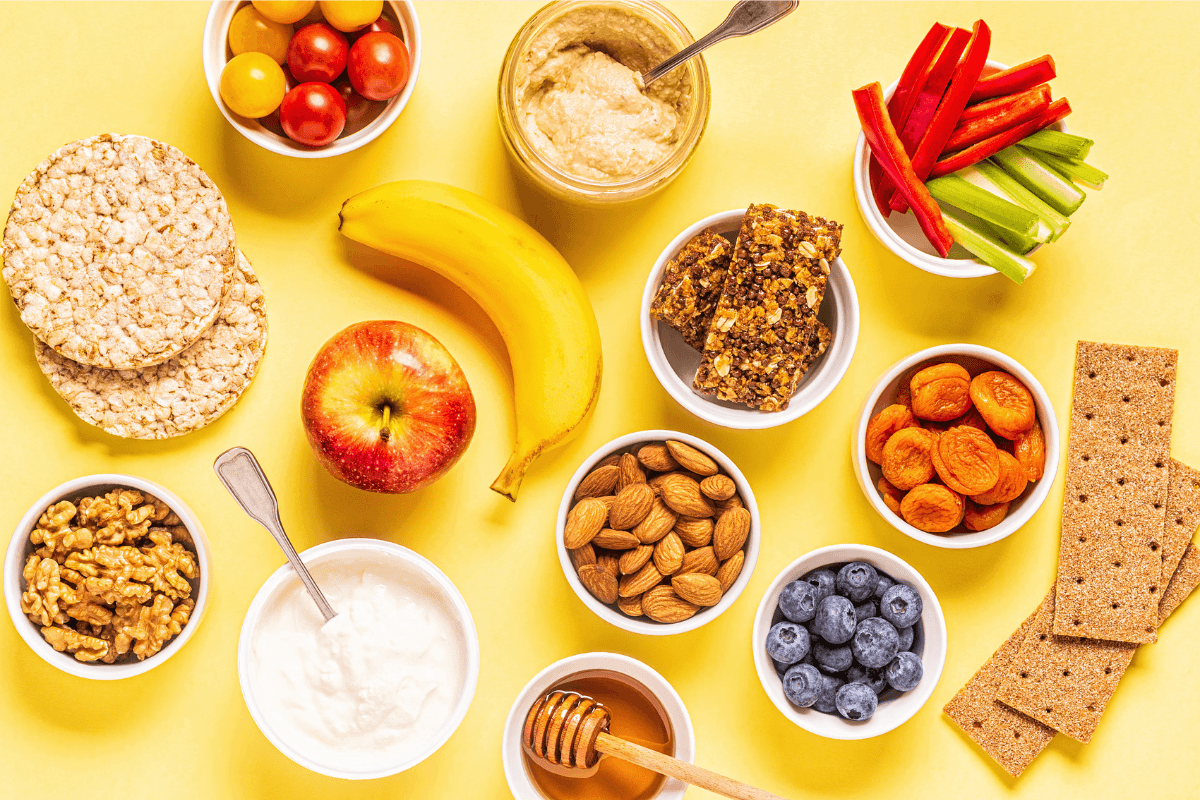
Healthier snack options.
5. Satisfaction is the secret weapon
Cravings often reflect a desire for satisfaction, not just calories. Skipping indulgence entirely usually backfires; instead, focus on controlled enjoyment:
Allow small, intentional portions of what you crave
Pair treats with protein or fiber to extend fullness
Eat mindfully and savour every bite
This approach reduces the intensity and frequency of cravings over time.
6. Habits create predictability
Cravings are easier to manage when you have consistent routines:
Structured meal timing
Regular protein at each meal
Planned snacks with clear portions
Habitual patterns reduce the “reactive” nature of cravings and give you more control over decision-making.
7. Cravings are temporary signals, not permanent roadblocks
Instead of seeing cravings as proof of weakness:
View them as feedback about your habits, environment, or emotional state
Respond with strategies that fit your life rather than extremes
Celebrate small wins when you handle a craving well
Over time, your confidence grows. You start noticing patterns, and cravings become less frequent and easier to handle.
The bigger picture
Cravings don’t have to derail your progress. By combining knowledge, practical strategies, and small adjustments, you can respond with calm control instead of guilt or frustration.
This month’s lesson: your brain and body aren’t your enemies — they’re giving you clues. Listen, plan, and act deliberately. Long-term success comes from learning to work with cravings, not against them.
🦉 The OWL Way Forward
If this topic is something you’re struggling with right now:
Focus on regular meals and adequate protein
Notice craving patterns rather than fighting them
Improve satisfaction before cutting foods out
Then:
For a practical guide - including food structure, movement targets, and emotional eating tools - this is exactly what the OWL Method in my book is designed for.
Written by:
Lee Bruce - Certified Weight Loss Specialist & Founder of Weight Loss Owl
FOLLOW:








Copyright © All rights reserved. weightlossowl.com